Legal Point of Discharge
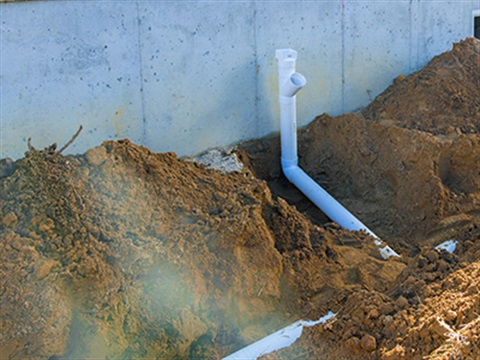
The legal point of discharge is the approved location where stormwater from a private property connects to Council’s drainage network.
This connection may be to a drain within an easement on private land, but is more commonly located outside the property, such as on a road reserve or an adjoining property.
Property owner responsibilities
Property owners are responsible for all private drainage infrastructure on their property, including the drain that connects to the legal point of discharge. This responsibility remains with the property owner regardless of whether the connection point is located within a road reserve or on a neighbouring property.
Property owners must ensure their property’s drainage remains in good working order. They must also ensure that stormwater runoff from their property does not cause problems for neighbouring properties. If the property includes an easement, owners may have additional responsibilities for its maintenance (see Easements below).
We recommend engaging a licensed plumber to investigate and fix private drainage issues.
Council approval is required before any drainage works are undertaken outside your property boundary, including within a road reserve.
Legend
- Blue line with diagonal stripes: Property drain (responsibility of property owner to Legal Point of Discharge)
- Yellow area with dot pattern: Property easement (Drainage and Sewer purposes)
Council responsibilities
Council is responsible for maintaining the public stormwater drainage network, including Council-owned pipes and pits. This does not include drainage on private property, including pipes that connect to the legal point of discharge.
Easements
An easement is a section of land registered on a property that allows Council or service authorities access to inspect, maintain or repair infrastructure. An easement may contain stormwater drain, pits, a sewer or other services.
You can check whether your property contains an easement by reviewing your property title. Additional information is available from Council and relevant service authorities:
Property owners are responsible for any landscaping, structures or other items placed within an easement, including anything covering drainage pits. Tree roots should also be managed to prevent damage to drainage infrastructure.
If access to an easement requires the removal, relocation or reinstatement of fences, gardens or other property improvements, the costs are the responsibility of the property owner.
Council will provide reasonable notice to the owner before accessing an easement. In emergency situations, access may be required without prior notice.
Find your property’s legal point of discharge
To find out your legal point of discharge, complete an application:
Fee: $244.54
Fees valid for 2026-27 financial year and are reviewed annually.
When submitting an application form, allow 10–15 business days for a response.