Reducing Wildlife Roadstrike
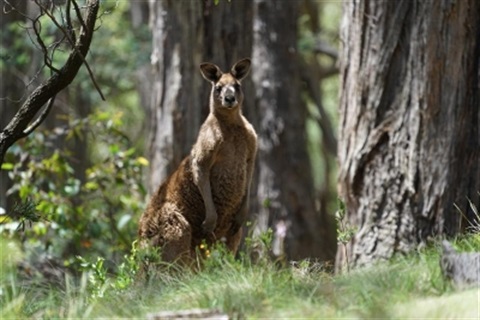
The Macedon Ranges is one of Victoria’s most biodiverse regions, home to iconic wildlife including wombats, kangaroos, koalas, echidnas and countless native bird species. Living alongside this wildlife is part of what makes our region special, but it also brings challenges.
Wildlife-vehicle collisions are becoming increasingly common across Victoria and the Macedon Ranges records one of the highest rates of wildlife road strike in the State. These collisions can seriously injure or kill native animals, pose risks to motorists and passengers, and have lasting impacts on emergency responders and wildlife carers.
Protecting wildlife and improving road safety go hand in hand. That’s why Macedon Ranges Shire Council has identified reducing wildlife roadstrike as one of its priority advocacy projects and is working with government, researchers and environmental organisations to pursue practical, evidence-based solutions.
Understanding the issue
Wildlife roadstrike is a complex issue with no single solution. Different wildlife species behave differently, road conditions vary across the municipality, and collisions often occur in specific locations and at particular times of the day or year.
The Victorian Parliamentary Inquiry into Wildlife Roadstrike found that one of the biggest barriers to reducing collisions is the lack of consistent and coordinated data. Without a clear understanding of where wildlife-vehicle collisions occur and why they happen, it is difficult to identify the most effective solutions. The Inquiry also highlighted that traditional approaches, such as static wildlife warning signs, are often ineffective when used in isolation.
For this reason, Council is advocating for an evidence-based approach that focuses on understanding the issue before implementing targeted interventions.
Our approach
Council’s project focuses on building the evidence needed to support practical, long-term solutions that improve outcomes for both wildlife and road users.
Understanding where collisions occur
The first step is to develop a clearer picture of wildlife-vehicle collisions across the Macedon Ranges. This includes improving available wildlife collision data, identifying roadstrike hotspots and working with technical experts to better understand wildlife movement and the factors contributing to collisions.
By strengthening this evidence base, future investment can be directed to locations where it will have the greatest impact.
Trialing practical solutions
Once priority locations have been identified, Council will advocate for targeted pilot projects that test practical ways to reduce wildlife-vehicle collisions.
Rather than relying on one approach, potential measures may include targeted advisory signage, monitoring technology and other site-specific interventions informed by evidence and local conditions.
Testing these approaches on a smaller scale allows their effectiveness to be evaluated before considering broader implementation.
Delivering lasting solutions
Council is currently progressing the first stage of the project by strengthening the evidence needed to support future action.
Current work includes improving wildlife collision data, identifying roadstrike hotspots, engaging with technical experts and exploring opportunities to trial targeted mitigation measures.
This staged approach will help ensure future decisions are informed by reliable evidence and that resources are directed where they can deliver the greatest benefit.
Looking ahead
Protecting our wildlife is about more than conserving native species. It is also about making our roads safer, supporting the work of wildlife carers and emergency responders, and preserving the natural environment that makes the Macedon Ranges such a unique place to live and visit.
Council will continue to work with government agencies, researchers, wildlife organisations and the community to advocate for practical, evidence-based solutions that reduce wildlife-vehicle collisions and create safer outcomes for both people and wildlife.
Benefits
This approach offers an evidenced-based, adaptable and low-impact solution to addressing wildlife roadstrike in the Macedon Ranges that avoids the need for large-scale road upgrades that are often impractical due to significant costs and environmental impacts. It delivers improved awareness for road-users with better outcomes for animal welfare, motorists and wildlife volunteers.
Project costs
A summary of estimated project costs and funding sources.
| Cost description |
Total cost ($) |
Collection, integration and analysis of wildlife roadstrike data to identify hotspots
Purchase of available data from Wildlife Victoria and other agencies
Stakeholder workshops
Data compilation and GIS analysis |
50,000 |
| Expert advice and pilot design |
50,000 |
| Roll-out of a pilot of tailored mitigation solutions, and purchase of materials and equipment (i.e. purchase of portable solar-powered VMS boards, road crossings, wildlife recognition cameras) |
250,000 |
| Delivery of a monitoring and evaluation regime plus final report on project outcomes |
50,000 |
| Ongoing community engagement and education campaign including community forums, media, and more |
40,000 |
| Project management |
60,000 |
| TOTAL |
500,000 |
Project timeline
This project is expected to take approximately 2–3 years to complete once funding is secured, providing adequate time to engage with key stakeholders and experts to thoroughly understand the issue, and develop and trial targeted interventions.